

Types of Property Ownership in the UK
Freehold, leasehold, commonhold and shared ownership each work differently. This guide explains them and shows where a lease plan is required.
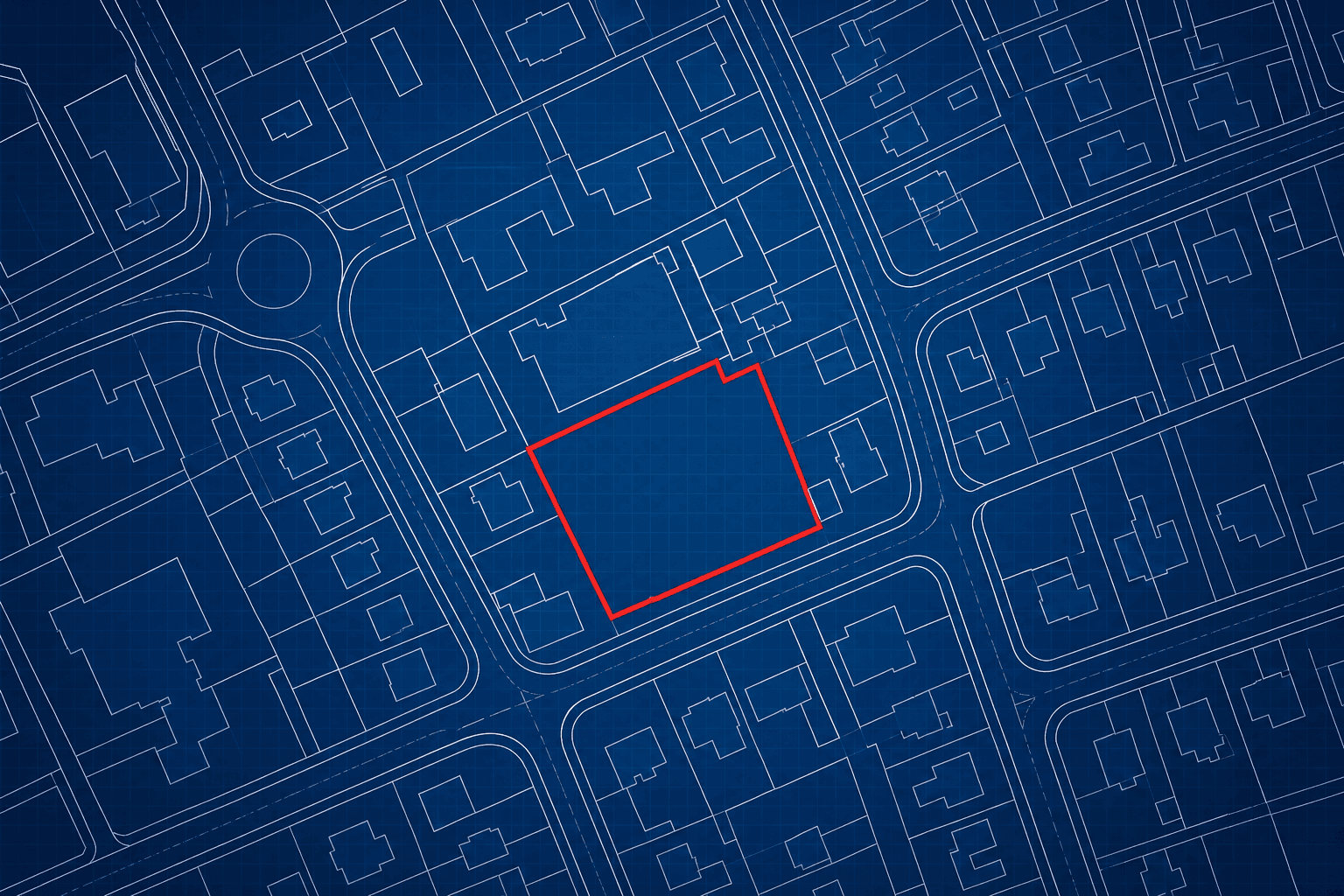
Do I need a lease plan for Land Registry?
Yes.. Since October 2003, all leases granted for more than seven years — and existing leases with more than seven years left — must be registered with HM Land Registry, and the application must include a compliant lease plan. You also need one to extend a lease, vary a lease, or transfer part of a registered title. Without an accepted plan, the registration cannot proceed.
Freehold
Freehold ownership means you own the property and the land it stands on outright, with no time limit. Most houses are freehold. Because the boundary is defined by the registered title, freehold houses do not usually need a lease plan — though a transfer of part of a freehold title does require an application plan.
Leasehold
Leasehold means you own the right to occupy a property for a fixed term under a lease, while the freeholder retains ownership of the building and land. Most flats are leasehold. Leasehold is where lease plans are essential: registering a lease over seven years, extending it, or varying it all require a compliant lease plan defining the demise.
Commonhold
Commonhold is an alternative to leasehold for flats, where each owner holds the freehold of their unit and a commonhold association owns and manages the common parts. It remains relatively rare, but unit plans are still needed to define each commonhold unit precisely.
Shared ownership and where plans fit
Shared ownership lets you buy a share of a property — usually leasehold — and pay rent on the rest. As a leasehold arrangement, it requires a lease plan like any other lease. Across all these tenures, whenever part of a building or estate is let or transferred, a scaled plan defining that part is required by HM Land Registry.
Need a new title or transfer of part plan?
We prepare Ordnance Survey-aligned application plans for transfers of part, first registrations, plot sales and title splits across England and Wales. Send us the property details for a fixed-price quote.