

Understanding Demised Premises
The "demise" is the heart of a lease. This guide explains what demised premises are, how they are shown on a lease plan, and why precision matters.
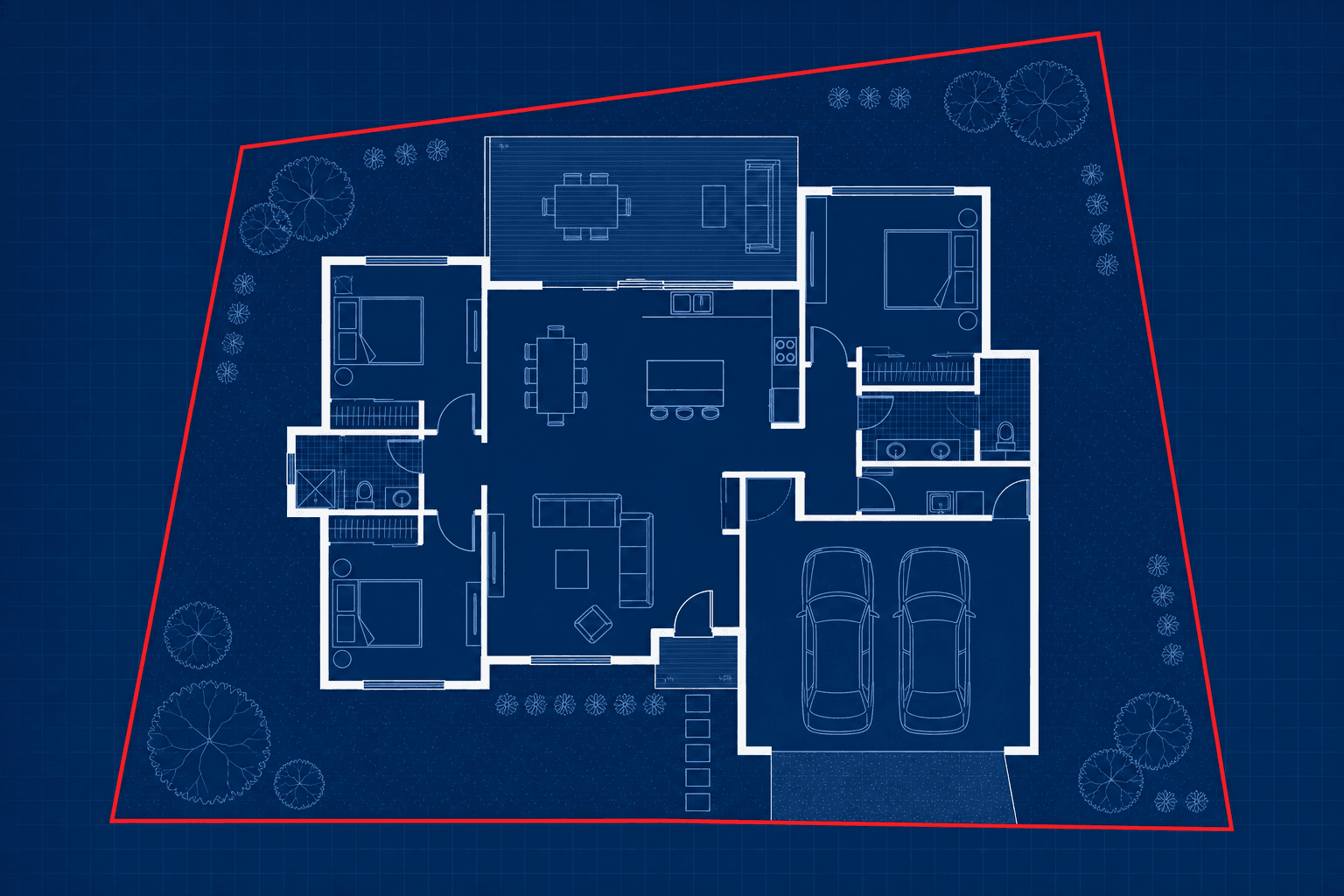
What is a demised area on a lease plan?
The demised area is the part of the property exclusively included in the lease — typically the flat, maisonette or commercial unit, plus any included garden, loft, terrace or parking space.. On a lease plan it is edged in red so HM Land Registry can see precisely what is being leased, distinct from communal or retained areas.
What "demised premises" means
The demised premises are the part of a property that a lease grants to the tenant for exclusive use — the area "let" under the lease. It usually comprises the flat, unit or premises itself, together with any garden, loft, terrace, store or parking space specifically included. Everything outside the demise is either common parts or retained by the landlord.
How the demise is shown on the plan
On a lease plan the demise is edged in red. The red line must follow the actual walls and boundaries and enclose every area let under the lease. Where the demise includes areas on different floors, or external areas, each must be shown clearly and tied to the rest of the demise.
Internal vs external demise
Leases often specify whether the demise extends to the internal surfaces of walls, the centre line, or includes structural elements. While the precise wording is a legal matter for the lease, the plan must be consistent with it, and any external areas — gardens, yards, bin stores — included in the demise must be shown accurately.
Why precision matters
Ambiguity about the demise is a frequent source of disputes between leaseholders, freeholders and neighbours, and a common cause of Land Registry requisitions. A precise, scaled plan that matches the lease wording protects everyone and keeps the registration on track.
Need a lease plan?
We produce Land Registry compliant lease plans across England and Wales. Send us the property details for a fixed-price quote.